
What is an altnet? Britain's alternative broadband networks explained
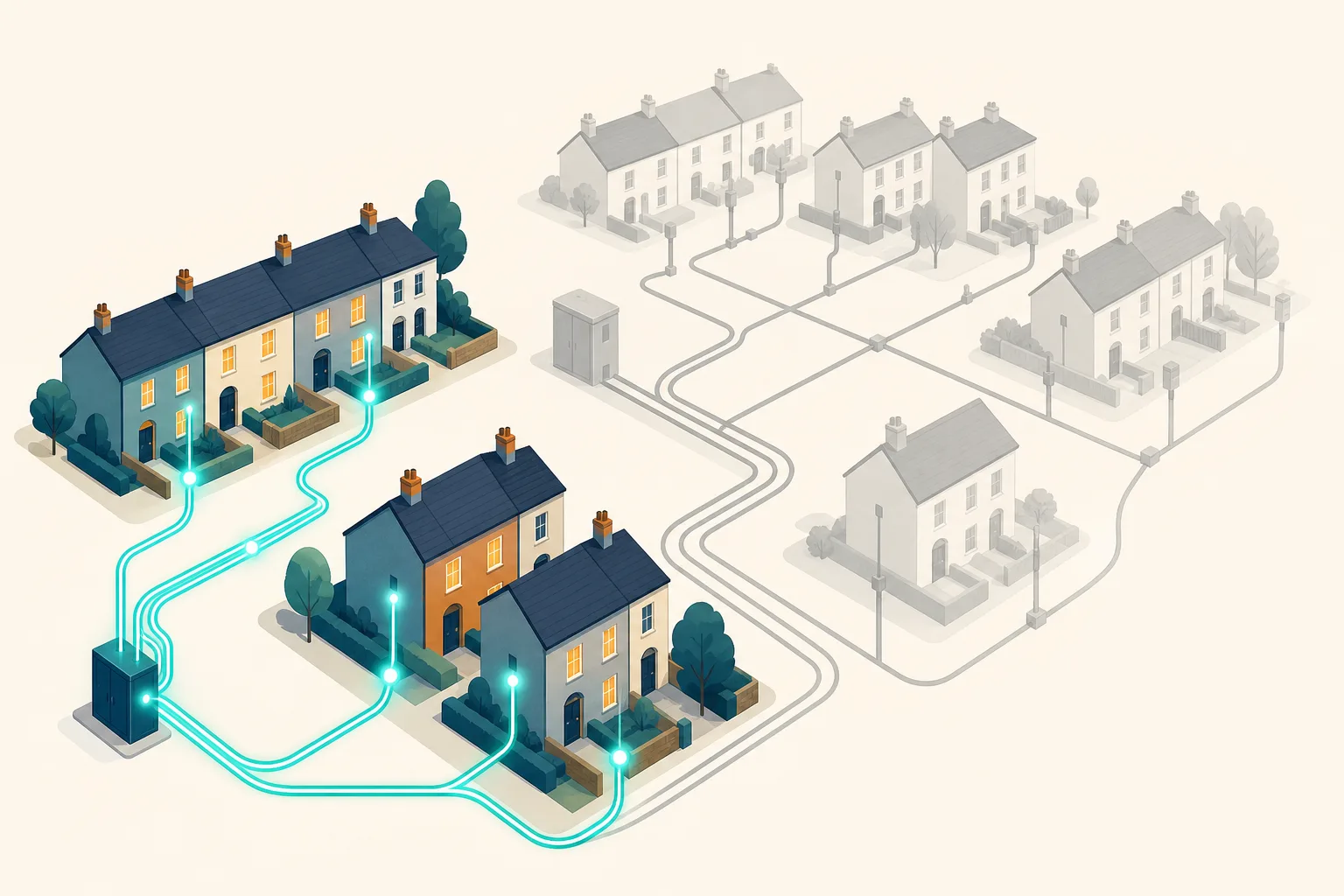
An altnet, short for alternative network, is a broadband network built and owned independently of Openreach, the BT-descended infrastructure company whose lines most UK providers rent. When you buy broadband from BT, Sky, TalkTalk or Vodafone, your connection almost always travels over Openreach's wires. An altnet built its own.
That single fact explains almost everything else about them: the pricing, the speeds, the patchwork coverage, and why you've probably never heard of the one that might serve your street.
Why altnets exist
For decades, nearly all UK home broadband ran over one national network. Upgrading tens of millions of homes from copper telephone lines to full fibre is slow and staggeringly expensive, and a single owner moves at a single speed. From the mid-2010s, regulation and investment opened the door for independent operators to build their own fibre networks in the gaps: city neighbourhoods, market towns, and rural areas that were years away from an upgrade.
Dozens of these builders became hundreds. Names like Community Fibre, YouFibre, Zzoomm and LightSpeed each picked their patch and laid pure fibre straight to front doors, skipping the copper era entirely.
The operators make the case themselves too. YouFibre, one of the networks we track, has published its own explainer on why altnets matter, which is worth reading as the industry's side of the argument rather than an independent one.
What makes an altnet different
Three things, in practice.
Full fibre by default. Almost every altnet is fibre to the premises (FTTP): a fibre optic line into your home, not fibre to a street cabinet with copper for the final stretch. That means symmetric or near-symmetric speeds, lower latency, and none of the slowdowns of shared copper. Several altnets sell residential speeds the national network doesn't offer at all; on the networks we track, top packages run to 5 gigabits and beyond, at prices that undercut big-brand gigabit deals.
Cheaper, simpler pricing. Altnets win customers by being obviously better value. On live pricing across the networks we track, entry full fibre starts from around £19 a month, and most sit between £19 and £26, frequently half what a big brand charges for a slower product. Several, including YouFibre, Zzoomm and LightSpeed, fix your price for the whole contract with no mid-contract rises, something almost unheard of among the major brands.
Local, small-company service. Their build areas are concentrated, their customer bases are smaller, and their installers are usually their own staff. Service quality varies by operator like anything else, but you're rarely in a 40-minute call queue.
The catch: coverage
The trade-off is simple: an altnet only exists where it has physically built. National brands can serve almost any address; an altnet can serve precisely the streets it has dug. Coverage maps change monthly as builds progress, and two houses on the same road can have different options. That's why the only meaningful first step is checking your exact address, which is what our availability checker is for.
Are they legitimate?
Yes. Altnets are regulated by Ofcom like any other provider, connect to the same internet, and are bound by the same consumer protections, including automatic compensation rules and the One Touch Switch process that makes leaving or joining straightforward. The full detail is in our guide to whether altnets are safe to switch to.
Next: Altnets vs Openreach, what's actually different.
Frequently asked questions
How many altnets are there in the UK?
There are well over a hundred active alternative network operators in the UK, ranging from city-scale networks to operators covering a handful of towns. The Altnets tracks the established consumer providers and adds more as they open to new customers.
Is altnet broadband slower than BT or Sky?
Usually the opposite. Almost all altnets are full fibre (FTTP), so like-for-like they typically offer faster, more stable connections than copper-based packages, and several altnets sell multi-gigabit speeds the big brands don't.
Do I need a phone line for altnet broadband?
No. Altnet networks are pure fibre and don't use the old telephone network at all. If you still want a landline number, most altnets offer a digital phone service as an add-on.