
Guides
Everything you need to understand Britain's independent fibre networks, written straight, no jargon.

Broadband setup fee
Free activation stopped being the default in 2026, and the charge does not appear on the number every deal is sold on. What a setup fee pays for, what a provider has to show you before you commit, and why the deal with nothing to pay upfront is not automatically the cheaper one.
Read the guide →
Switching back to Openreach
The deal is cheaper and the hesitation is never really about the price. It is about the door out. Leaving is allowed and mostly handled for you, and the part nobody mentions is that what you would be going back to is not necessarily what you left.
Read the guide →
Switching broadband and TV
One Touch Switch moves your broadband and your landline across. It does not touch the television, which is how a household ends up with a dark box on the wall, or an old bill still running for a service they assumed had ended. What survives depends entirely on how the pictures reach the screen.
Read the guide →
Can you keep your email address?
The address ends in the name of the company you are about to leave, and twenty years of banking, bills and family sit behind it. Your landline number is protected by the switching rules. Your email is not, which makes this the switching cost almost nobody prices in before they stall on it.
Read the guide →
Business broadband at home
It runs over the same fibre, often at the same speed, and costs more. The part nobody mentions is that the automatic compensation scheme is written for residential customers, so the package sold on better fault handling is the one that drops your right to be paid when a fault is not handled.
Read the guide →
Unlimited broadband
The word sits on nearly every full fibre package and almost nobody reads what is underneath it. It turns out to be regulated rather than decorative, which makes the fair usage clause far less frightening than the terms nobody thinks to check.
Read the guide →
Can I keep my landline number?
Thirty years of everyone knowing how to reach you, riding on a contract you are about to end. Keeping the number is a right rather than a favour, and the thing most likely to lose it is a tidy-minded call to cancel the old service first.
Read the guide →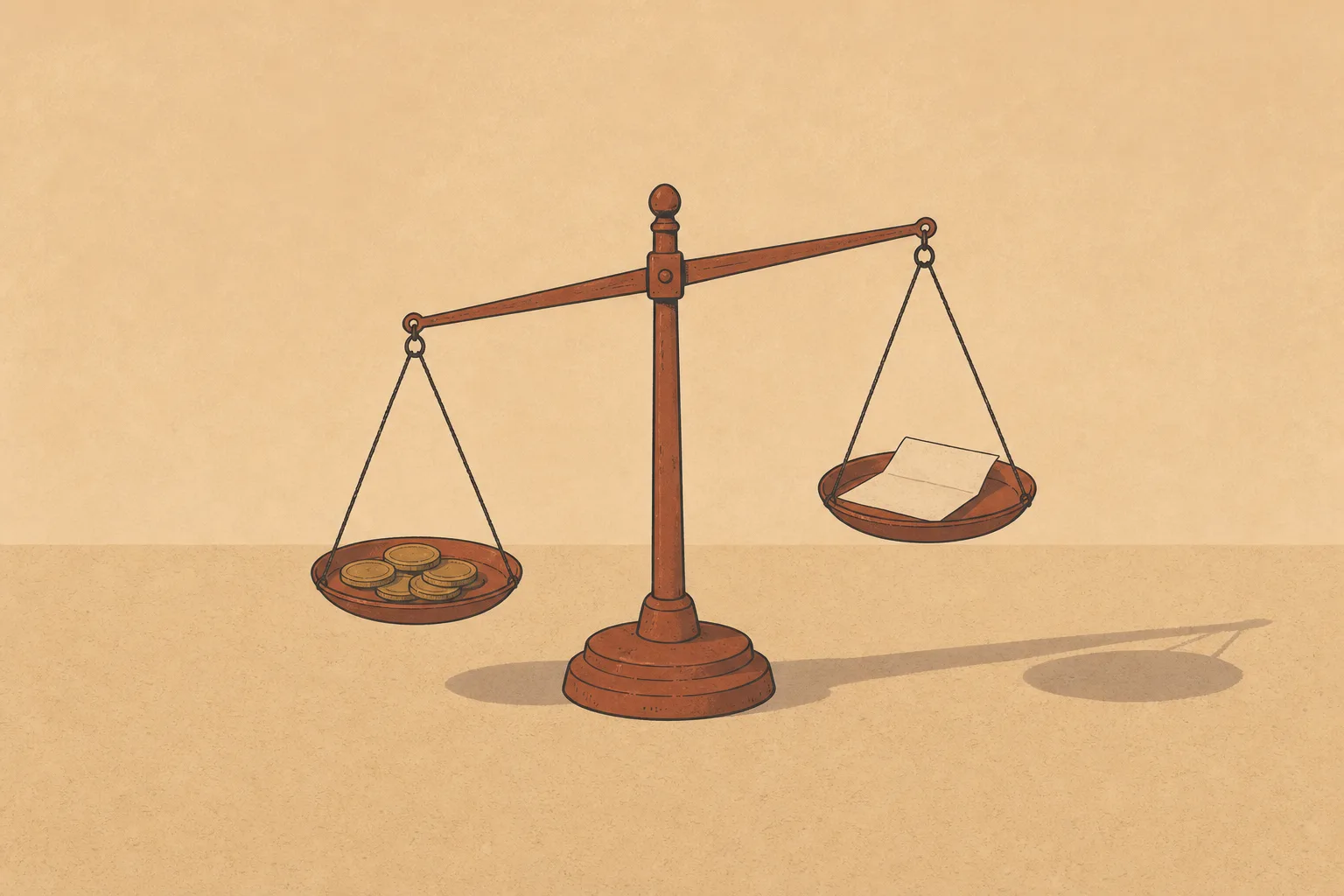
Cannot pay the broadband bill? Ask for this
The bill lands, the money is not there, and the instinct is to say nothing. Almost everything that helps here only becomes available once you have told your provider, so this is what Ofcom expects them to do and the five things worth asking for by name.
Read the guide →
No fibre coming? What you can still do
The fibre stops at the end of the village and your house sits past it. There is a legal right to request a decent connection that most households in this position have never been told about, and it is worth knowing what it covers before you settle for waiting.
Read the guide →
Your network just got bought. Now what?
A letter arrives saying your provider is now part of a larger group and that nothing is changing. Usually that is true, and the fibre in the street carries on regardless. What the letter can quietly change is your price, and that is the version worth reading properly.
Read the guide →
The 14 days that start earlier than you think
Almost everyone believes the fourteen days run from the day the broadband goes live. They run from the day after you ordered, which is why the window is often gone before the engineer arrives. When the clock starts, what you can still be billed for, and how to cancel so that it counts.
Read the guide →
What the speed guarantee promises
Almost everyone has heard there is a way out of the contract if the speed is bad, and almost nobody can find the figure it depends on. What your minimum guaranteed speed is, where to find it, how the 30 days work, and the point where the protection runs out.
Read the guide →
How much upload speed do you need?
Every package is sold on the download figure. The upload figure is the one that decides whether your video call holds together, and on a lot of lines it is a fraction of the number on the advert. What it is, how much you need, and where the protection runs out.
Read the guide →
What is a VoIP home phone?
It arrives as a letter with a date on it and no box to tick saying no thanks. What a phone over broadband actually is, the one thing it stops doing when the power goes, and the two calls worth making before your turn comes round.
Read the guide →
Will they credit check you?
The sign-up form asks for three years of addresses and suddenly it is the only part of the page you can see. What a provider is really checking, whether the search leaves a mark on your file, and the three things a refusal usually turns into rather than a flat no.
Read the guide →
Can a wifi dongle replace broadband?
It arrives in the post and works the same afternoon, with nobody to ask and nothing dug up outside. What that genuinely buys you, the two protections it quietly drops, and the point where a cable in the ground wins.
Read the guide →
Is it an outage or just you?
The lights are wrong and nothing loads, and from inside the house there is no way to tell whether the street is down or only your line. The four things that separate the two, where to look that actually reads the network, and the reporting step that decides whether you are owed anything.
Read the guide →
Changing your wifi password
Ten minutes on almost any network, and the changing is never the hard part. Which of the two passwords on the router you are actually meant to touch, what drops off the network the second you save, and why the sticker password is a weaker argument than it used to be.
Read the guide →
Broadband for pensioners
There is no pensioner tariff, and no provider has to offer one. What there is instead is a copper switch-off that lands hardest on the households where the landline is simply the phone, and a set of rules written so they are not caught out by it.
Read the guide →
Broadband complaints
There is a free, independent adjudicator sitting behind every provider in the country, and yours is unlikely to mention it. What counts as a complaint, the six week rule that replaced the eight week one this April, and what a deadlock letter actually gets you.
Read the guide →
Do internet boosters work?
The first thing most people buy for a dead room, and the wrong purchase about half the time. What a booster can and cannot do, why the cheap ones can make a nearby room worse, and how to tell in ten minutes whether kit is the answer at all.
Read the guide →
Student broadband
A nine month tenancy, a twelve month contract, five housemates and one name on the bill. What the rules actually guarantee you, who carries the debt when somebody stops paying, and how to avoid paying for an empty house all summer.
Read the guide →
New build broadband
One provider listed, or none at all, on a house that was finished last month. What the building regulations oblige a developer to install, why gigabit-ready is not the same as connected, and the questions worth asking before you exchange.
Read the guide →
Broadband exit fees
The charge that keeps people with a provider they stopped liking a year ago, and it is usually smaller than the fear of it. How the number is worked out, the cap Ofcom puts on it, and the four situations where it comes to nothing at all.
Read the guide →
Broadband installation day
Somebody arrives with a ladder and a drill, and a fair amount of what happens next depends on decisions you get asked to make on the spot. What the engineer is there to do, what they need from you, and where you stand when the job cannot be finished.
Read the guide →
Out of contract broadband
The discount runs out, the price steps up, and nothing announces it on the bill. What your provider is obliged to tell you before that happens, what the gap actually costs, and why the few weeks either side of your contract ending are the only time you hold any leverage.
Read the guide →
Broadband for gaming
Upgrading the package is the first thing people try and the least likely to help. What ping, jitter and packet loss actually do to a game, how to measure your own, and the order worth fixing things in.
Read the guide →
Slow broadband: wifi or line?
Almost every speed complaint is one of two completely different problems, and the fix for one does nothing for the other. How to tell them apart in ten minutes, how to test in a way your provider will accept, and when a slow line lets you leave early.
Read the guide →
Broadband compensation
The money that lands on your bill when the line fails, if your provider ever agreed to pay it. What Ofcom sets the rates at, the ten companies that pay them without being asked, and the route that still works when yours is not one of them.
Read the guide →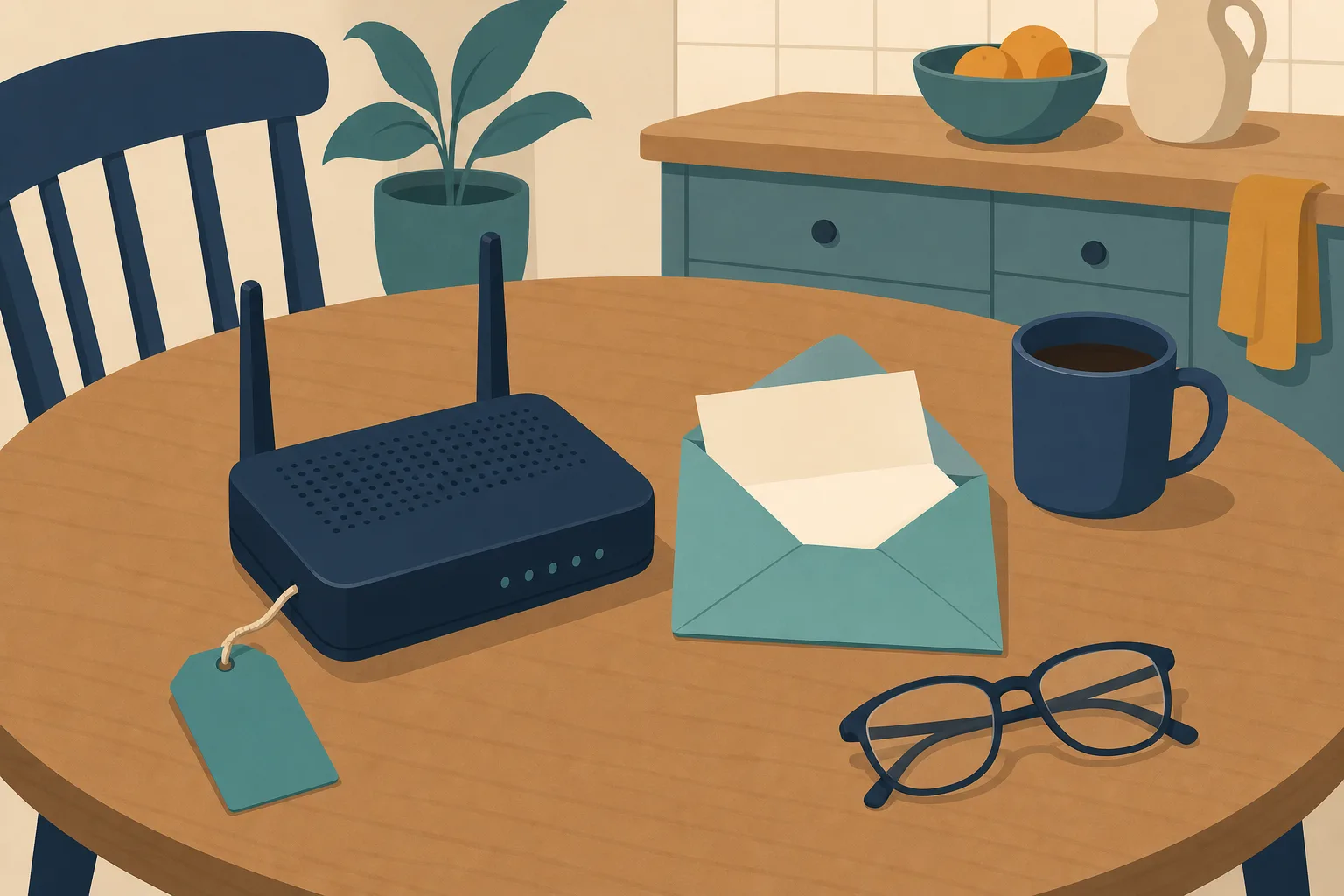
Broadband social tariffs
The cheapest packages on the market are the ones nobody advertises. Who qualifies, what they cost, why fewer than one in ten eligible households are on one, and when an ordinary deal still beats it.
Read the guide →
Is it safe to switch to a small broadband provider?
The question everyone asks. The honest answer, including what protections exist if an altnet fails.
Read the guide →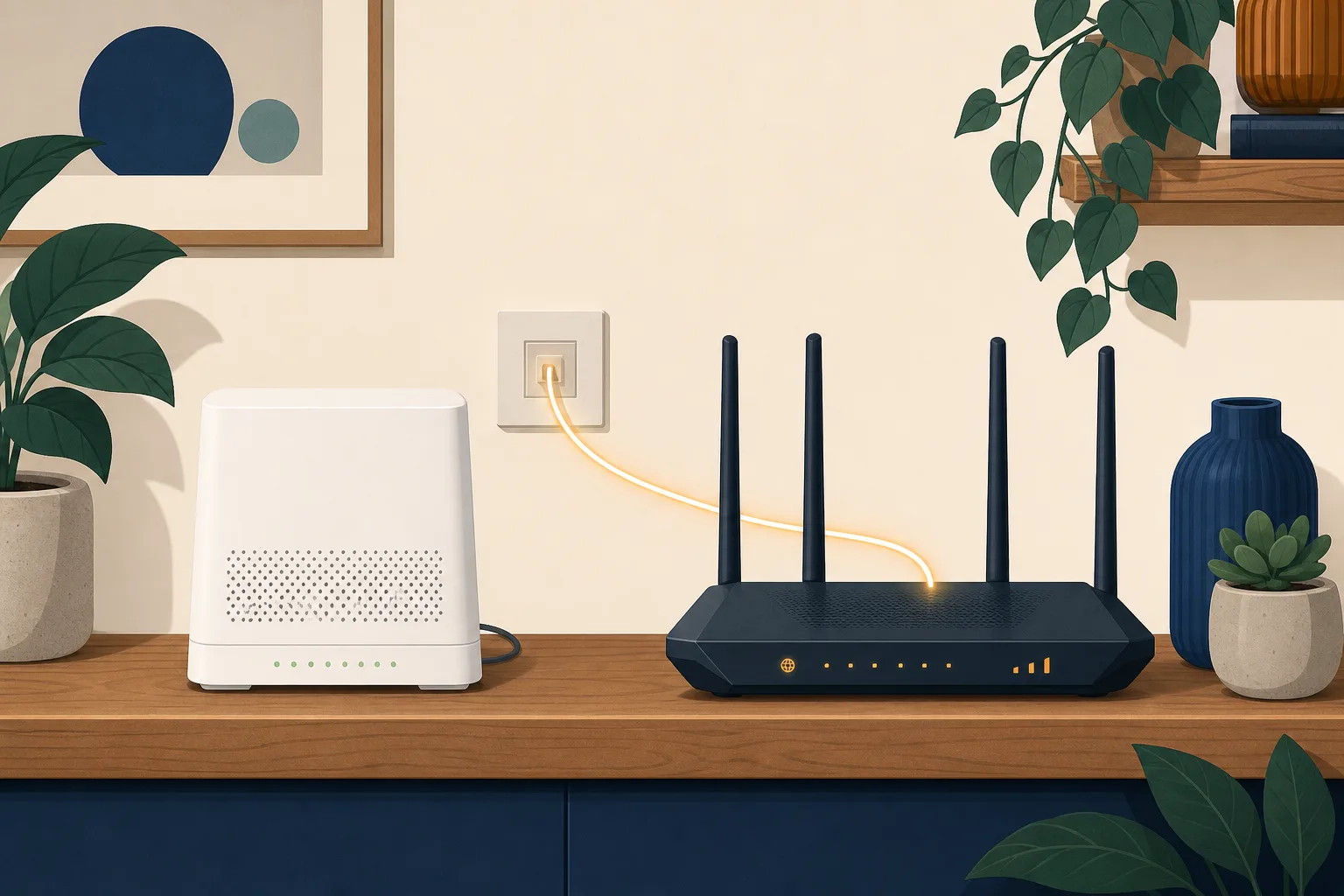
Can you use your own router?
The right to plug in a box you chose is real, and easier on full fibre than it has ever been. What the rules actually give you, the three things you quietly hand back, and why no router raises the number on your bill.
Read the guide →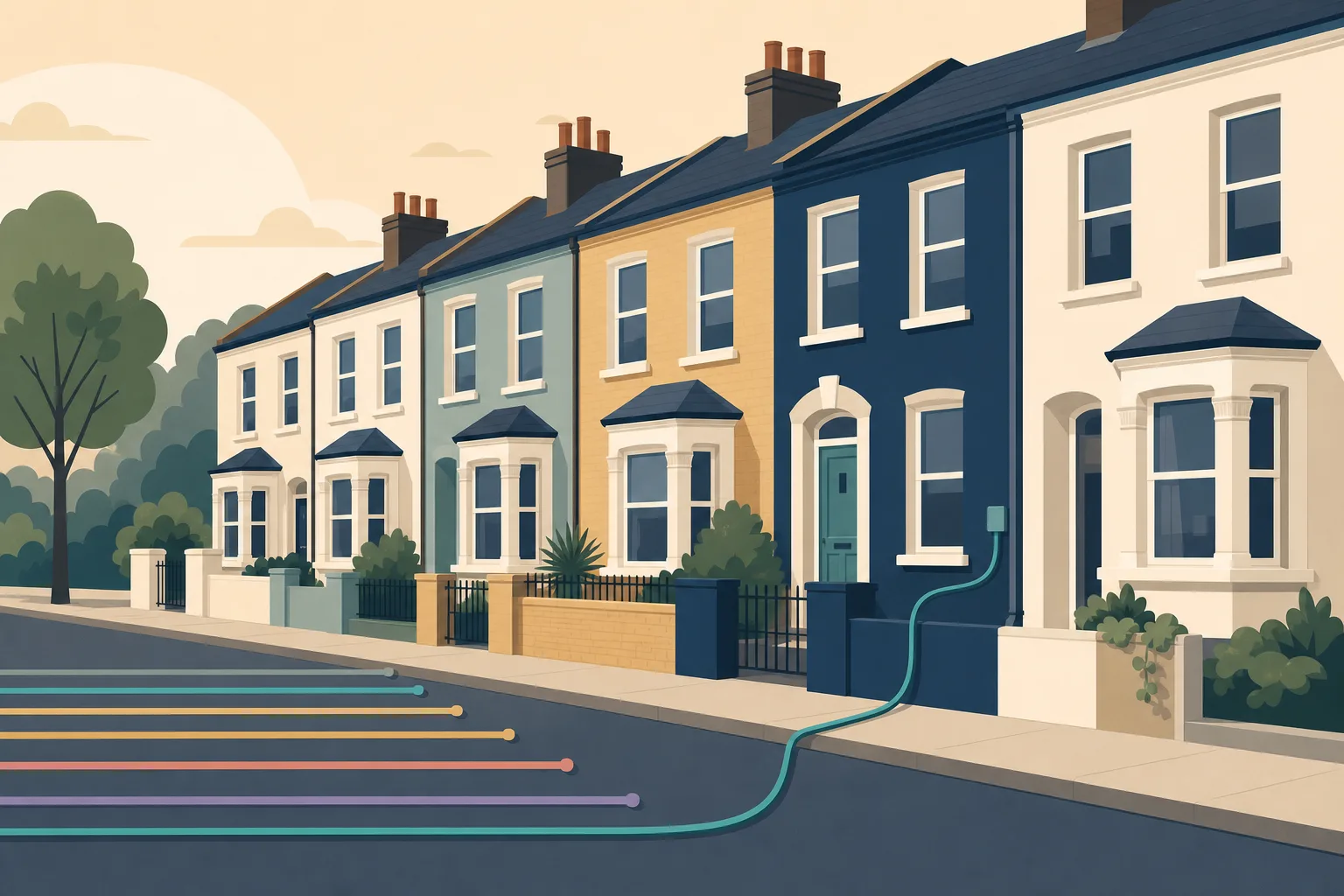
Best altnet broadband UK 2026
There is no single best altnet, because the one that reaches your street decides most of it. How to weigh coverage, speed, price and the terms that come after the headline.
Read the guide →
Cheapest full fibre deals
The lowest headline price and the lowest bill over two years are rarely the same deal. Where the cheapest full fibre is really found, and the catches that undo it.
Read the guide →
No contract broadband
Two years is a long time to promise anything to a network you had never heard of a fortnight ago. What a rolling monthly term really costs, who bothers to sell one, and the shorter-term rule the adverts leave out.
Read the guide →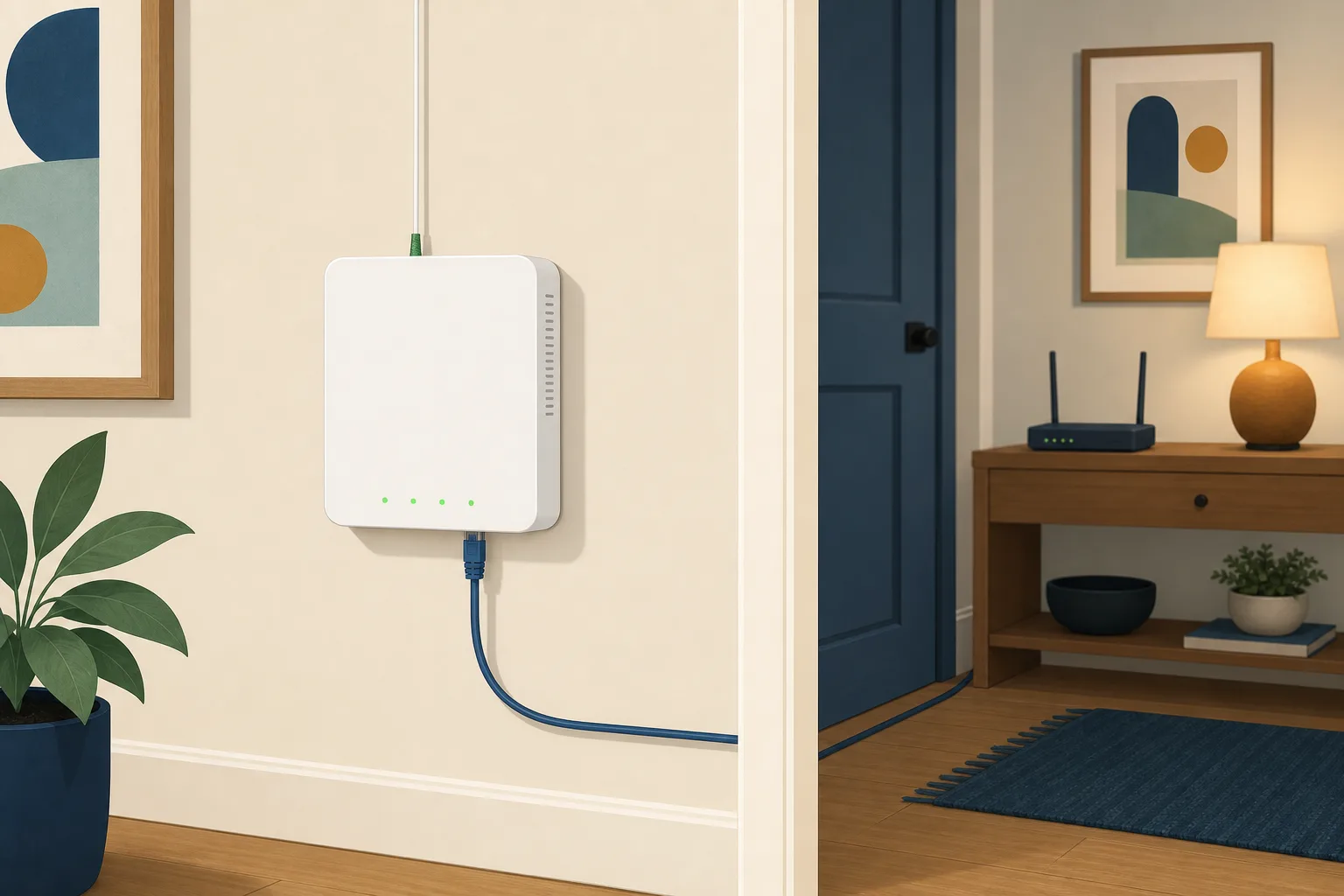
What is the ONT box?
The small white box the engineer leaves behind, and the one thing in the house you are told not to touch. What it actually does, why full fibre now goes down with the electricity, and what happens to it when you switch.
Read the guide →
When will the FTTP rollout reach you?
Nobody will put a date on your street, and the national plan is getting shorter rather than longer. What is actually knowable about when fibre arrives, and the one milestone that means you can order.
Read the guide →
Full fibre in flats
The cable can be in the street and the job still does not happen, because the person who decides does not live in the building. What a wayleave is, the process for a freeholder who never replies, and the gap it leaves open.
Read the guide →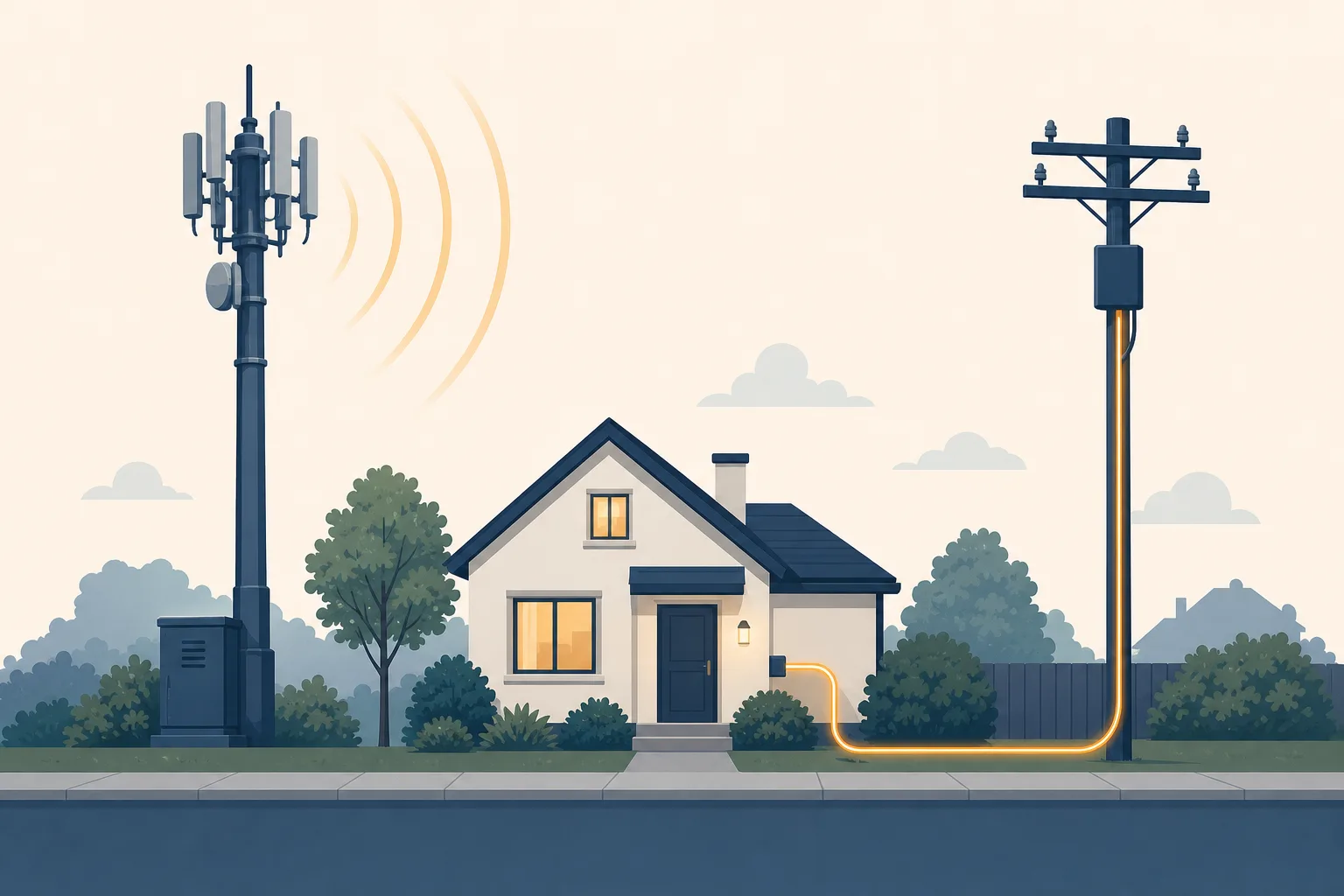
5G home broadband vs full fibre
A router in the window instead of a cable in the ground, with nobody to ask for permission. Where that genuinely wins, and the two protections that quietly do not come with it.
Read the guide →
Broadband without a landline
The phone line you never use is on its way out whether you ask for it or not. What full fibre removes, what dropping the phone actually saves, and the one thing the switch quietly takes away.
Read the guide →
What broadband speed do I need?
Most speed advice hands you a number and hopes you stop asking. Here is how to work out what your own household uses at once, and why the figure your provider guarantees is not the one on the advert.
Read the guide →
Broadband price rises
The inflation formula went away for new contracts and stayed put for old ones. What your provider may charge you mid-term, when a rise buys you a free exit, and how to sidestep the next one.
Read the guide →
Broadband when moving house
Your provider follows you to the new address or it does not, and no rule hands you a free exit either way. What the moving clause says, and why a short move can leave a small network behind.
Read the guide →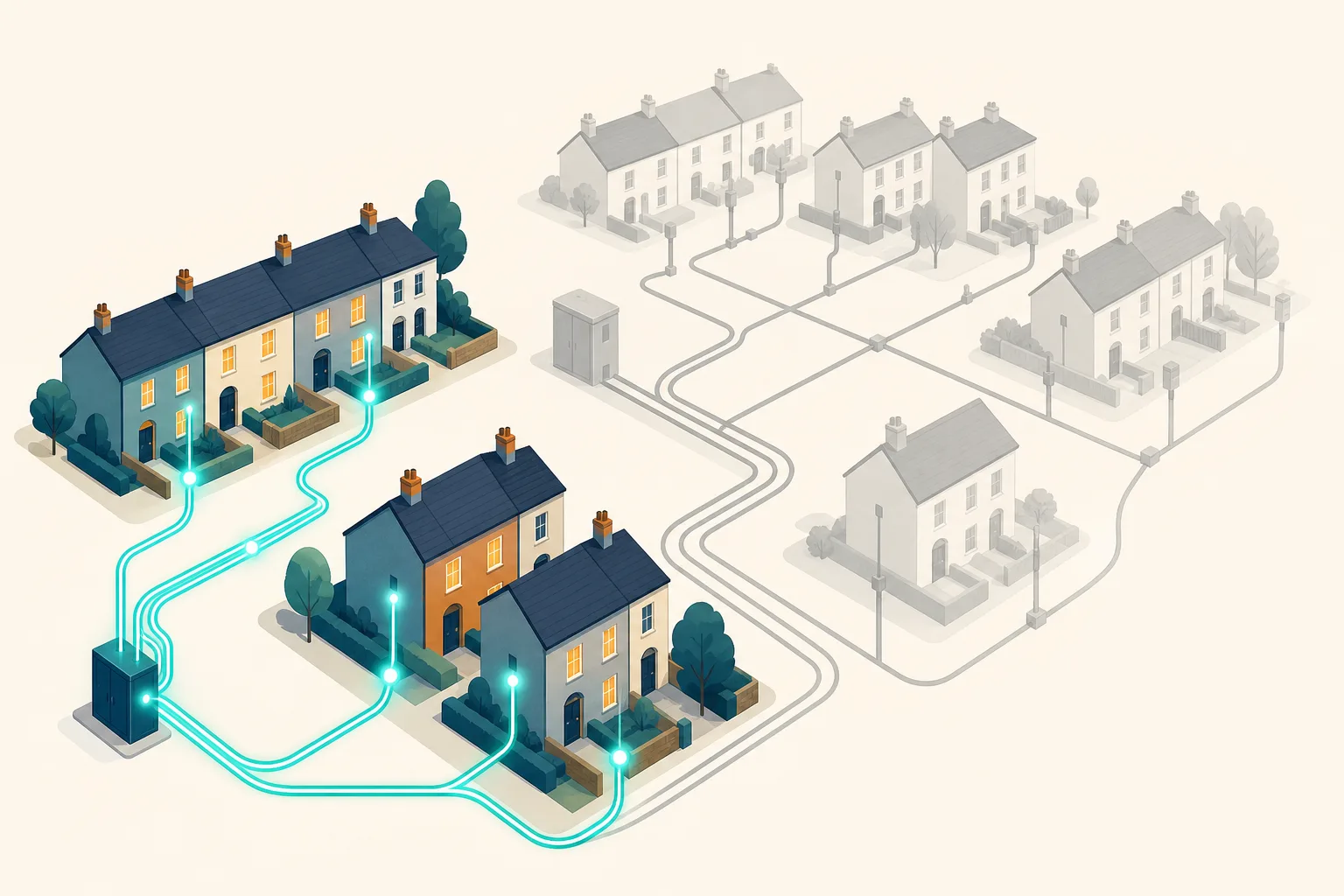
What is an altnet?
The five-minute explainer: what alternative networks are, why they exist, and why they're usually cheaper and faster.
Read the guide →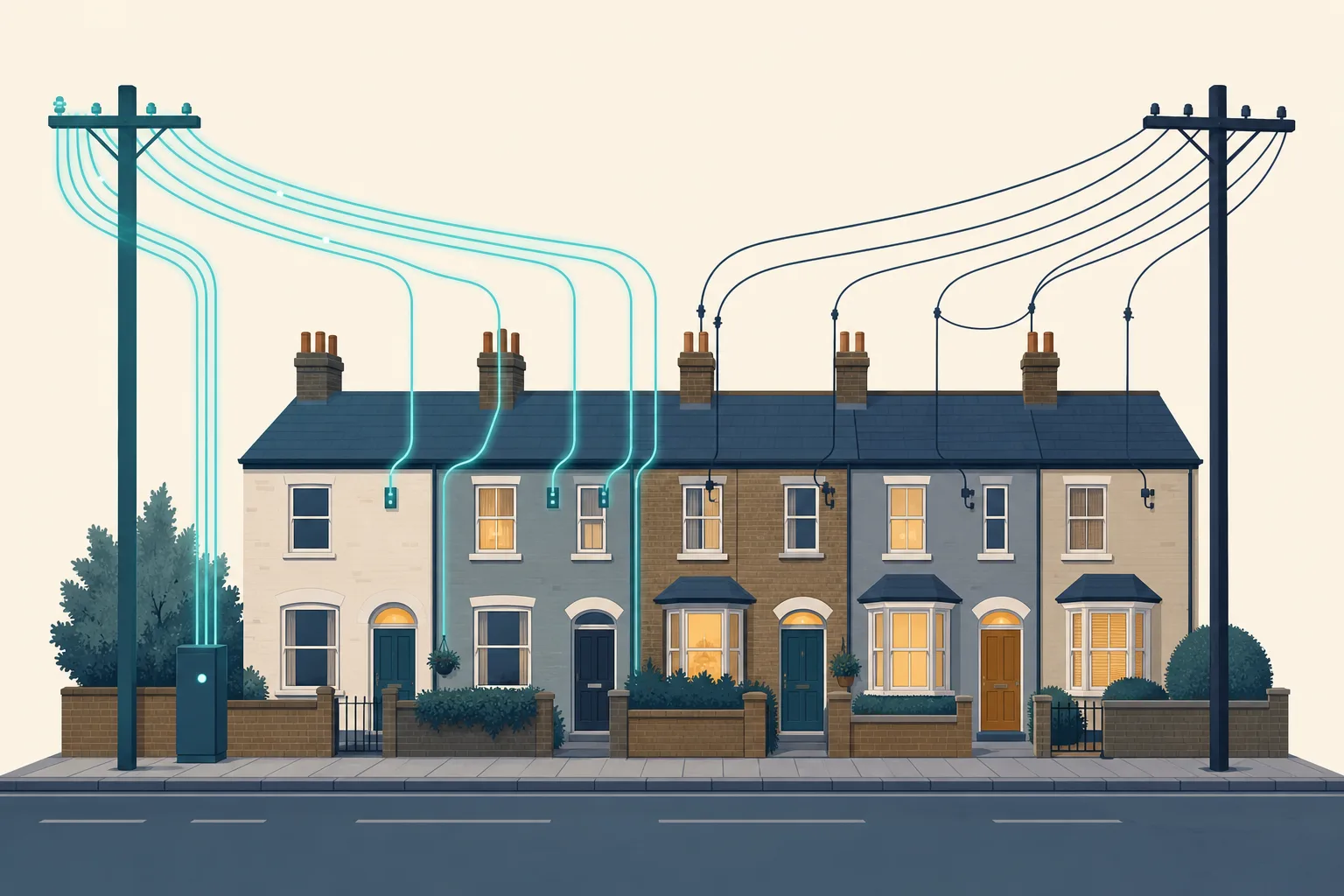
Altnets vs Openreach: what's actually different
BT, Sky, TalkTalk and Vodafone mostly rent the same wires. Altnets built their own. Here's what that means for you.
Read the guide →
Full fibre (FTTP) vs FTTC vs cable, explained
'Fibre broadband' can mean three very different things. How to tell what you have and what's worth upgrading to.
Read the guide →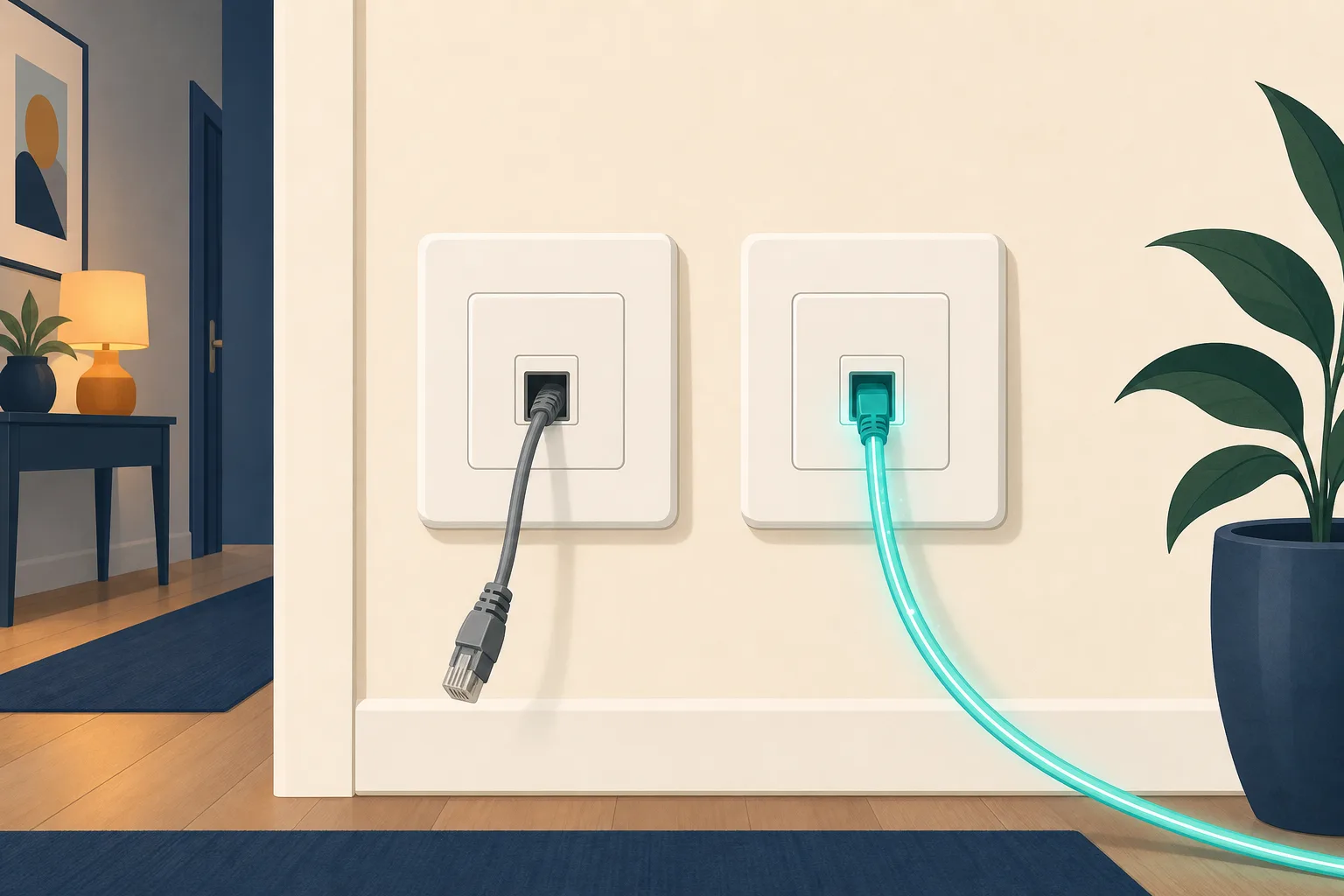
How to switch to an altnet
One Touch Switch made changing provider genuinely easy. The full process, timelines, and what happens on install day.
Read the guide →